The whole is the point.
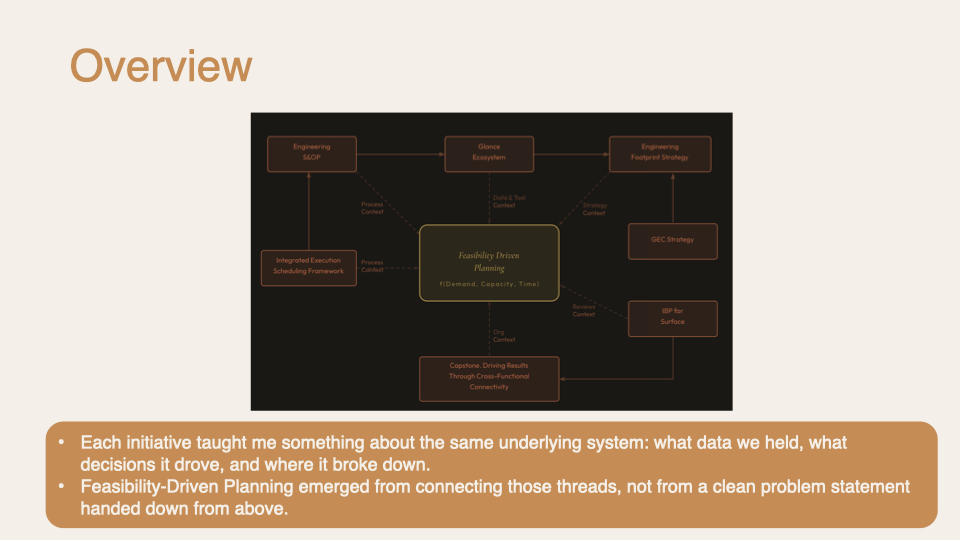
Most systems don't fail because the parts are broken, but because the connections between them were never built. From engineering components to enterprise planning, the instinct has been the same — find what connects, build what holds.
Walk into ambiguity → leave it a system.
Impact
Click an impact to see the project behind it
* Value destruction: margin lost against the margin estimated at tender, on projects delivered in 2023–24 across Brazil and the rest of the world.
Projects
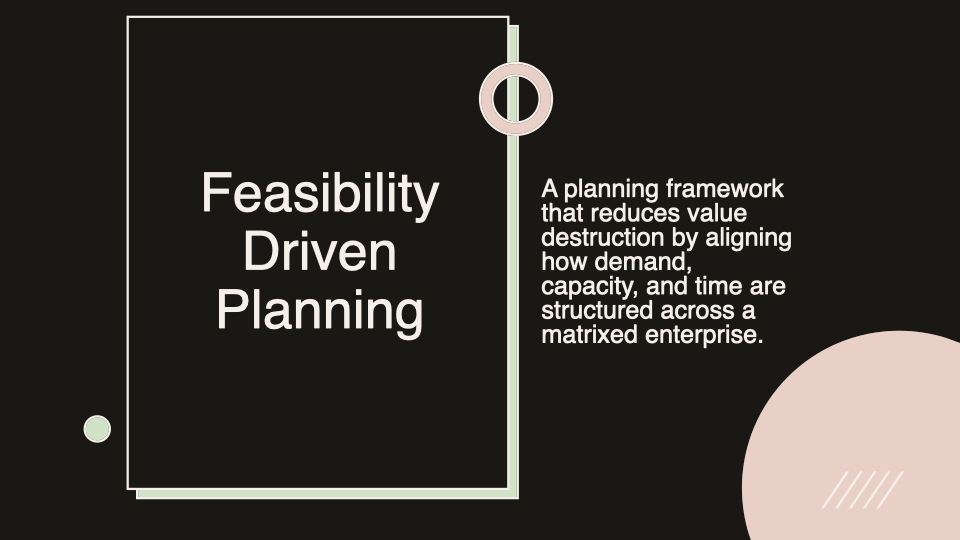
Feasibility Driven Planning
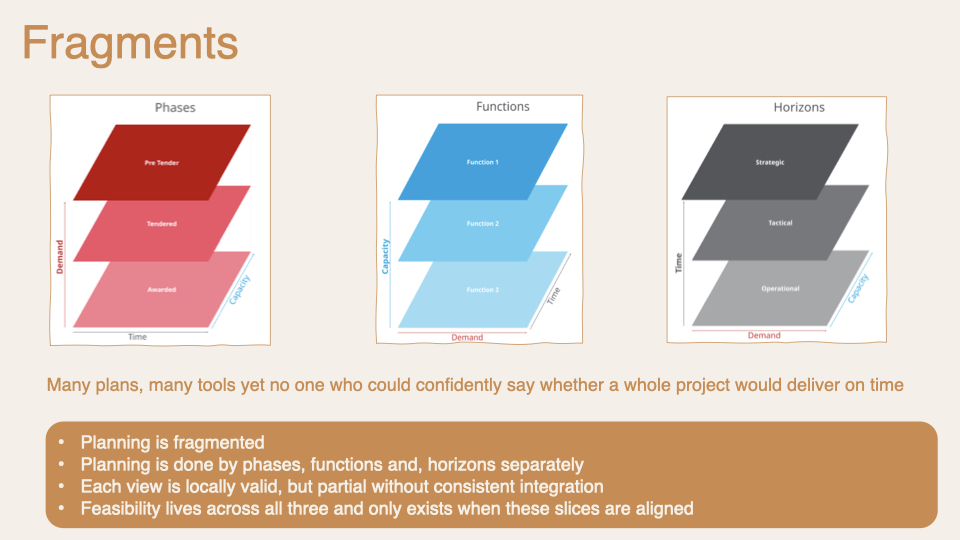
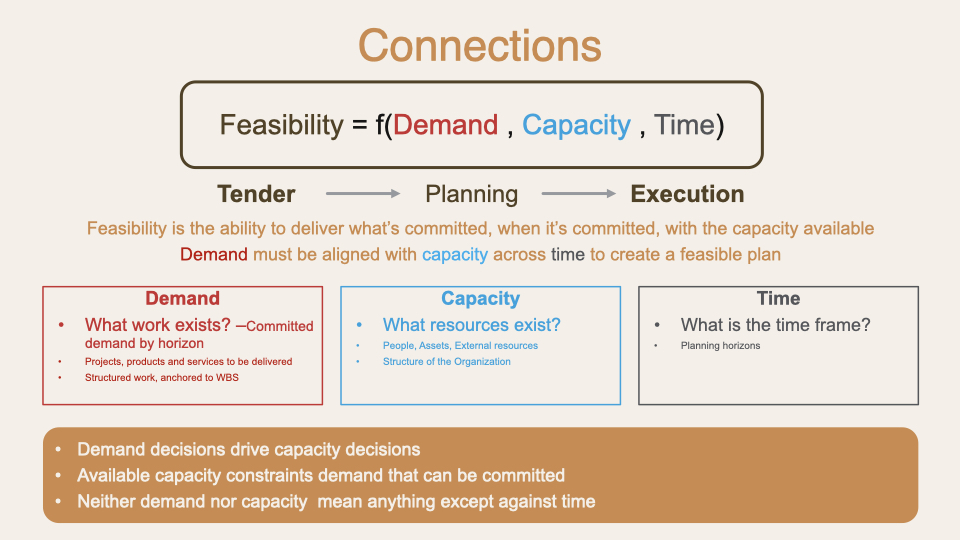
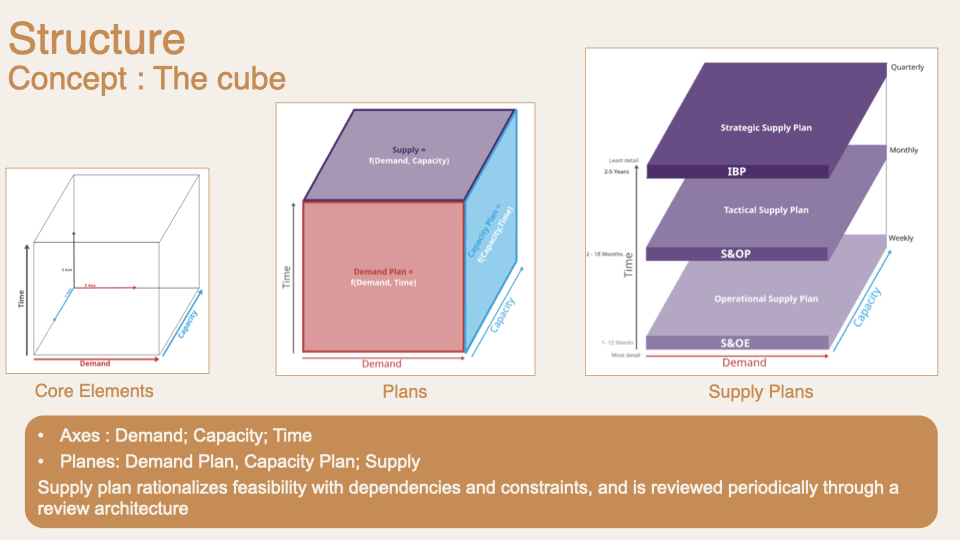
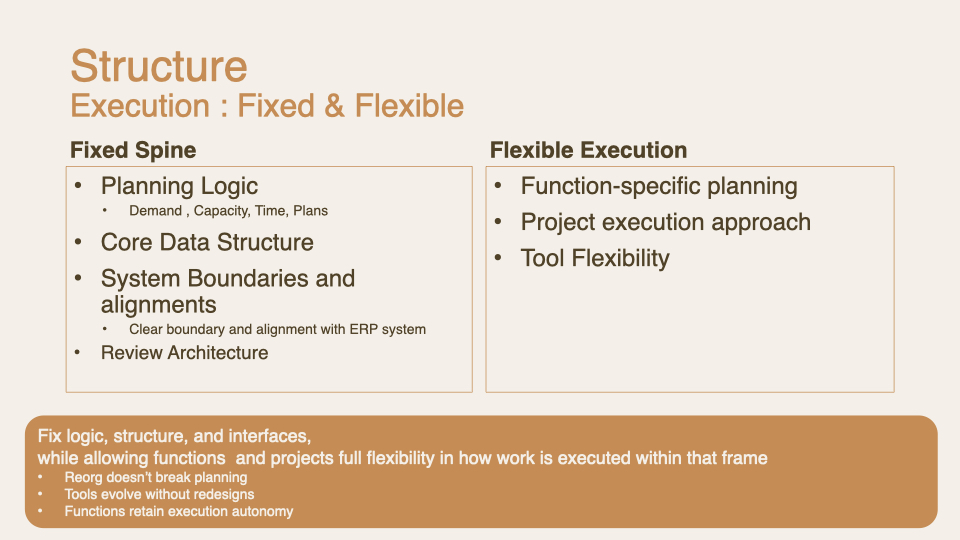
Most integration programmes try to standardise everything, and that is often why they fail. Across seven projects I kept finding the same missing piece: a shared logic holding demand, capacity, and time together. This framework fixes only that spine (data structure, definitions, and review architecture) and leaves execution flexible, so it survives reorganisations and tool changes.
Read the case study →Read the essay behind it →A planning framework for a matrixed enterprise
IBP for the Surface Business Unit
Planning in the Surface business unit existed but was limited to select functions with no integrated view across projects, products, and commercial activity. KPIs were disconnected from holistic business goals. Proposed a three-anchor IBP model — business, product, function — bringing every function into a single planning cadence with connected KPIs. Approved by the president to proceed to MVP.
Engineering S&OP System
Engineering planning existed across 9 global subsystems but no one could see across all of them. Data collection took weeks. Demand was only 66% visible — which meant missed hiring windows, projects accepted without knowing if capacity existed, and underutilized global delivery centers. Built the framework, guidelines, and Power BI structure that took demand coverage to 95% and gave the engineering organisation its first shared planning language.
Integrated Planning Platform
Engineering S&OP generated data across 50+ sources — but no centralised platform existed to make it usable. Planning was fragmented and manual, and data-driven decisions at executive level were impossible. Conceived, built, and evolved the platform from a manual Excel replacement into an integrated planning ecosystem connecting demand, capacity, budget, headcount, and actuals. Shifted leadership from data gathering to decision making.
Integrated Execution Scheduling Framework
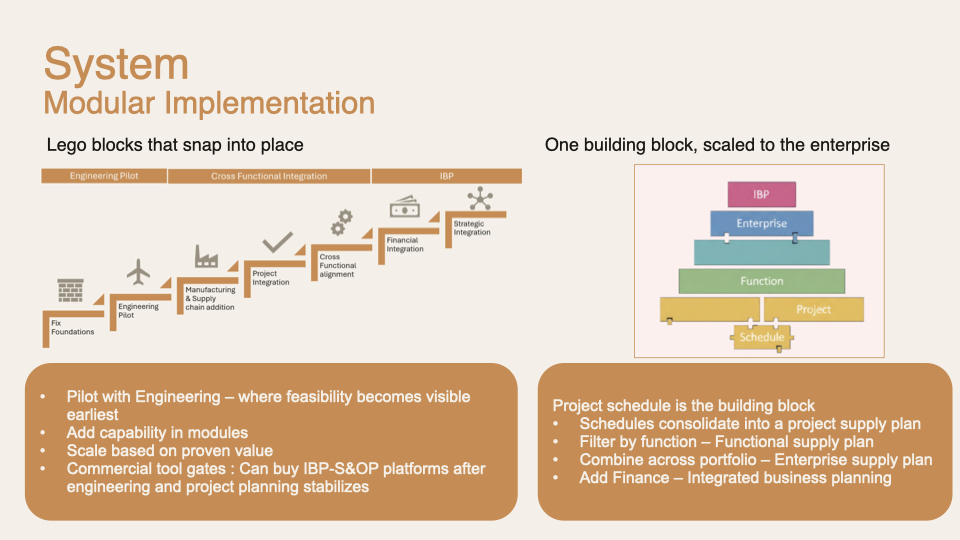
The gap between strategy and execution is widest at the moment a commitment is made — before anyone has checked if delivery is actually possible. Tender inaccuracy and execution plan changes were the top two drivers of value destruction — accounting for over 45% of value destruction in both regions studied. Built an integrated scheduling framework from prospect through execution that closes that gap at the earliest stage. Rolling out across 7 subsystems: 6 complete.
Global Engineering Centers Strategy
Global Engineering Centers had no clear purpose, stagnant growth, and significant untapped potential. Without a strategy they were operating as resource pools — available, but not directed. Co-developed the centers' strategy A3, redefining them from support units into execution centers across four pillars. The first two centers transitioned within six months; all are now formally upgraded to delivery hubs. Capacity only means something in a planning system if you know who has it, where they are, and what they can do. This is what made that visible.
Engineering Footprint Strategy
Engineering needed to reduce OPEX while simultaneously ramping capacity to support significant business growth. Those two goals looked like opposites. Built a Power BI what-if analysis drawing on planning data — modelling capacity, cost, and demand by location — to give leadership its first structured view of engineering footprint economics.
Capstone — Driving Results Through Cross-Functional Connectivity
Siloed operations sat behind a large share of the organisation's biggest value destruction events. The problem wasn't coordination. It was structural. Diagnosed two systemic root causes using six independent data sources, mapped them to seven strategies, and presented to leadership.
Fittings Standardisation
Engineering a fitting configuration took ~80 hours, each variant largely re-engineered from scratch. Using A3 problem-solving and design standardisation, I designed and shipped an automated configurator across five product families that cut it to 8 — a 10× reduction — plus the configurable interface and stocking logic that made it repeatable. Awarded the TechnipFMC Gold Medal of Recognition.